

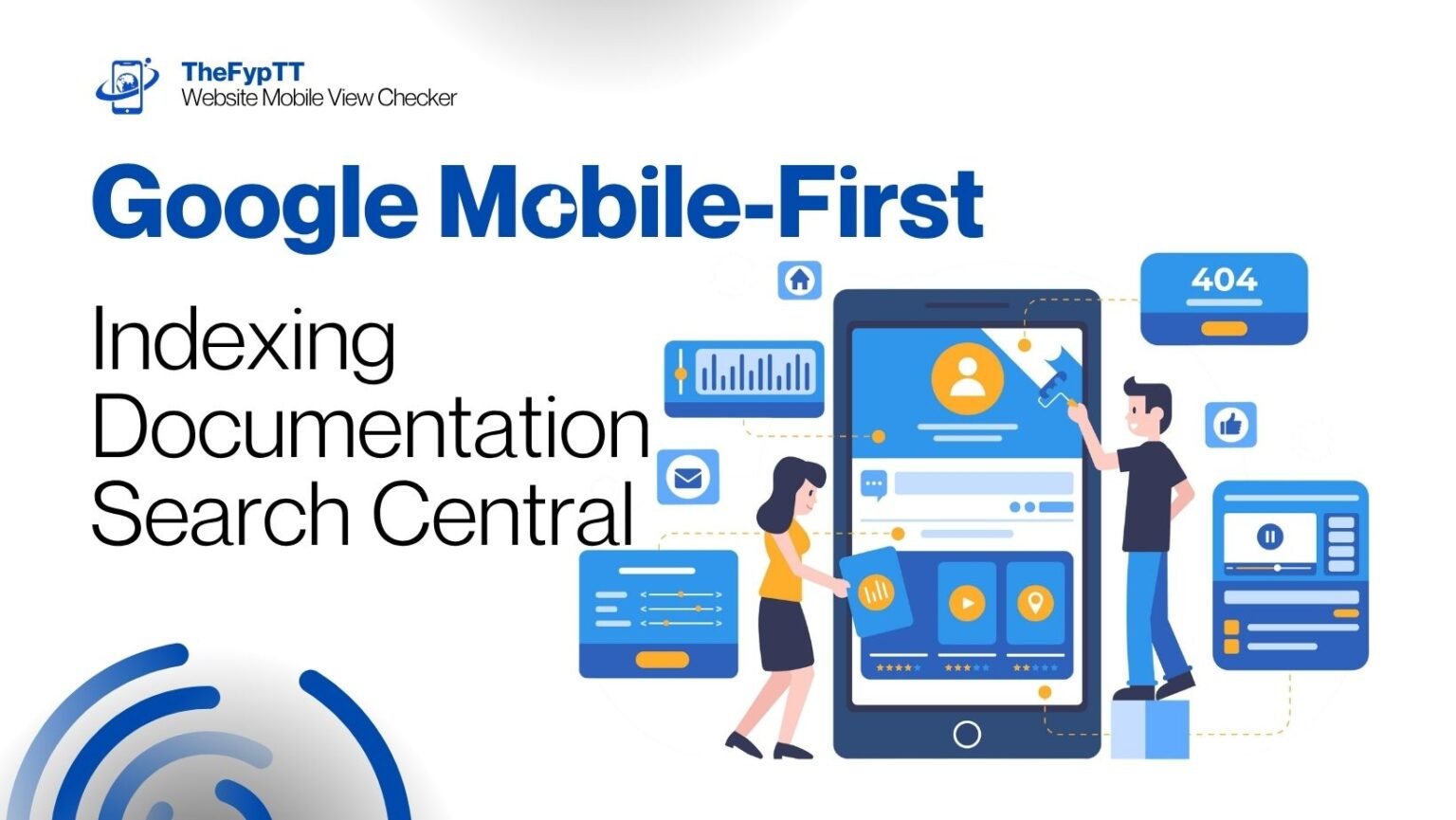

Google’s shift to mobile-first indexing has revolutionized the SEO landscape, and it’s crucial for any SEO professional, website developer, or content creator to stay ahead of the curve. If you want your website to thrive in 2026 and beyond, understanding Google Mobile-First Indexing Documentation Search Central is an absolute necessity.
- What is Google Mobile-First Indexing Documentation Search Central?
- Why Google Mobile-First Indexing Documentation Search Central Matters for Your SEO Strategy
- How Google Mobile-First Indexing Affects Your Rankings
- Preparing Your Website for Google Mobile-First Indexing
- Google Mobile-First Indexing Documentation Search Central: What You Need to Know
- Avoiding Common Pitfalls with Mobile-First Indexing
- Monitoring Your Mobile-First Indexing Performance
- Advanced Strategies for Mobile-First Indexing
- Leveraging AMP (Accelerated Mobile Pages)
- Optimizing for Voice Search
- Mobile-First Optimization for E-Commerce
- The Future of Google Mobile-First Indexing Documentation Search Central
- Conclusion
In this article, I’ll guide you through everything you need to know to optimize your website for mobile-first indexing. From the basics of what mobile-first indexing is to advanced strategies for leveraging Google’s tools, you’ll find the steps you need to take to boost your rankings and mobile usability.
What is Google Mobile-First Indexing Documentation Search Central?
Understanding Google Mobile-First Indexing Documentation Search Central is the foundation of mastering the strategy for improving your site’s rankings. Mobile-first indexing means that Google now primarily uses the mobile version of your website to crawl and index its content. In the past, Google relied on the desktop version of your site to determine search rankings, but with mobile-first indexing, it flips the script, focusing on the mobile version.
Why Did Google Make the Shift to Mobile-First Indexing?
The answer is simple: mobile usage has skyrocketed. According to recent statistics, over 50% of global web traffic comes from mobile devices. Google has recognized this shift and adapted its indexing system accordingly. The goal? To provide the best possible experience for users who predominantly access content via their smartphones.
But what does this mean for your SEO strategy?
- Mobile-First Indexing Affects Rankings: Your mobile site’s content is now the determining factor for ranking, even if your desktop site is more robust or faster. Google will give priority to the mobile version when crawling your pages, making mobile optimization crucial.
- The User Experience Is Key: Google’s algorithms are designed to enhance user experience (UX). Since the majority of users now search on mobile, ensuring your mobile site offers a smooth, fast, and seamless experience is essential for ranking.
Why Google Mobile-First Indexing Documentation Search Central Matters for Your SEO Strategy
The significance of mobile-first indexing cannot be overstated. If your website isn’t mobile-optimized, your rankings may drop, no matter how well you’ve optimized the desktop version.
Here’s Why You Should Care:
- Google Prioritizes Mobile Usability: Your website’s mobile version must be just as good (if not better) than its desktop counterpart. This means faster loading times, mobile-friendly content, and a smooth user interface (UI).
- SEO Rankings Depend on Mobile: Sites that perform better on mobile will be rewarded in rankings. Poor mobile performance, like slow loading times or difficult navigation, can lead to penalties or lower rankings.
- Core Web Vitals: These are metrics related to speed, responsiveness, and visual stability, which Google now uses to measure how user-friendly a page is. Mobile sites that score high in these areas tend to perform better in search results.
- The Future Is Mobile-Only: In the long run, Google may even move toward mobile-only indexing, so now is the perfect time to get ahead and optimize your site for mobile-first indexing.
How Google Mobile-First Indexing Affects Your Rankings
You might be asking, “How exactly does mobile-first indexing affect my site’s ranking?” Well, let’s break it down.
Mobile Usability: The Core of SEO Rankings
A site’s mobile usability directly impacts how Google ranks it. Here’s a quick checklist to make sure your mobile site is optimized for the best ranking:
- Responsive Design: Ensure your mobile site adapts to various screen sizes and devices. This is essential for Google’s indexing process.
- Fast Load Times: Mobile users are impatient. Slow-loading pages can hurt your rankings. Optimize images, scripts, and other elements to ensure fast loading times on mobile devices.
- Mobile-Friendly Content: Ensure your content is easy to read and navigate on smaller screens. Avoid long paragraphs, and use headings, subheadings, and bullet points for readability.
How Mobile-First Indexing Affects Ranking Factors
- Site Speed: Google considers page load speed a major ranking factor. With mobile-first indexing, this becomes even more important.
- Content Relevance: Mobile-first indexing means Google will prioritize content available and visible on mobile devices. Content hidden behind pop-ups or displayed only on desktop can harm your rankings.
- Mobile-First Signals: Google now uses signals like mobile compatibility and site speed when determining rankings. Optimizing these factors is essential for SEO success.
Preparing Your Website for Google Mobile-First Indexing
Preparing your website for mobile-first indexing might seem overwhelming, but I promise, with the right strategy, it’s totally doable. Here’s how you can get your site ready:
Step 1: Conduct a Mobile-Friendly Audit
The first step in mobile optimization is auditing your website’s mobile-friendliness. There are various tools, including Google’s Mobile-Friendly Test, that allow you to check how well your site performs on mobile devices.
Key Metrics to Assess:
- Content Visibility: Does the content on the desktop version appear on mobile without issues?
- Responsive Design: Is your site layout adjusting correctly on mobile devices?
- Page Speed: Is your mobile site loading quickly?
Step 2: Optimize Your Site for Mobile Devices
Once you’ve identified potential issues, it’s time to implement fixes:
Responsive Web Design:
Responsive design ensures your site adjusts seamlessly to any device or screen size. This is the most important factor when preparing for mobile-first indexing. Make sure your website uses CSS media queries to adapt the layout to various screen sizes.
Content Optimization for Mobile:
- Simplify Navigation: Mobile users expect easy-to-use, intuitive navigation. Keep your menus simple and avoid complex dropdowns.
- Font Size and Readability: Text should be large enough to read without zooming in. Keep paragraphs short and to the point.
- Optimize Media: Large images and videos can slow down your mobile site. Compress media files to ensure faster loading times.
Improve Site Speed:
Google’s algorithms prioritize fast-loading sites. Use Google PageSpeed Insights to test your mobile site’s speed and follow the recommendations for improvement. Consider optimizing images, reducing JavaScript, and using lazy loading for images and videos.
Google Mobile-First Indexing Documentation Search Central: What You Need to Know
Google provides official documentation to help webmasters understand and optimize for mobile-first indexing. The Google Mobile-First Indexing Documentation Search Central is packed with guidelines that explain how Google crawls and indexes mobile sites.
Key Sections of the Documentation You Should Focus On
- Mobile Usability: This section explains the importance of ensuring that your site functions well on mobile devices. Google provides tips for mobile-friendly design and usability.
- Crawl Issues: Learn how Googlebot interacts with your mobile site. This section explains common crawl issues and how to resolve them to ensure your content is properly indexed.
- Structured Data: Structured data helps Google understand your content better. The documentation provides best practices for implementing structured data on mobile versions.
- Mobile-Only Content: You might have content that’s only available on your desktop site. Google’s guidelines emphasize that any content hidden or inaccessible on mobile could hurt your rankings.
Avoiding Common Pitfalls with Mobile-First Indexing
Although mobile-first indexing may seem straightforward, many websites still make mistakes that can negatively impact their rankings. Here’s a list of common pitfalls to watch out for:
1. Hidden Content on Mobile
It’s tempting to hide certain content on mobile versions for design or space purposes, but doing so can hurt your rankings. Google needs to see your content on mobile to index it correctly.
2. Slow Mobile Load Times
Mobile users expect pages to load quickly. Slow-loading mobile pages can lead to high bounce rates, which negatively affect your rankings. Use tools like Google PageSpeed Insights and Lighthouse to identify slow loading elements and fix them.
3. Improper Redirects
If you’re using redirects between your mobile and desktop versions, make sure they’re implemented correctly. Mobile redirects should match desktop redirects to ensure users and Googlebot land on the right page.
Monitoring Your Mobile-First Indexing Performance
Once your site is optimized, you need to monitor how well it performs with mobile-first indexing. Here are a few tips to keep track of your site’s progress:
Using Google Search Console
Google Search Console is a great tool to track the mobile-first indexing status of your website. The Mobile Usability report can provide insights into how well your site performs on mobile devices. If any issues are detected, Google Search Console will provide suggestions on how to fix them.
Monitoring Crawl Stats
Use the Crawl Stats report in Search Console to monitor how Googlebot is crawling your site. Look for any mobile-specific issues and make adjustments as needed.
Troubleshooting Indexing Issues
If your mobile-first site isn’t performing well, or if you’re noticing that your mobile pages aren’t being indexed correctly, the URL Inspection Tool in Google Search Console can help diagnose the problem.
Advanced Strategies for Mobile-First Indexing
Once you’ve mastered the basics, it’s time to implement advanced strategies to maximize your site’s potential. These tips are especially useful if you’re looking to gain a competitive edge.
Leveraging AMP (Accelerated Mobile Pages)
AMP is a technology designed to make your pages load faster on mobile devices. AMP can give you a ranking boost, as Google rewards fast-loading pages. However, make sure that your AMP implementation doesn’t sacrifice the user experience.
Optimizing for Voice Search
As more users turn to voice search on mobile devices, optimizing your content for voice queries becomes crucial. Use natural language and long-tail keywords to ensure your content is discoverable through voice search.
Mobile-First Optimization for E-Commerce
For e-commerce sites, the stakes are higher. Your mobile site needs to offer a seamless shopping experience. Make sure your product pages are easy to navigate, checkout is straightforward, and your mobile load times are optimized.
The Future of Google Mobile-First Indexing Documentation Search Central
What’s next for mobile-first indexing? Google continues to refine its algorithms and may eventually move to mobile-only indexing. Here’s how to stay ahead of the curve:
- Mobile-Only Indexing: Google could eventually eliminate desktop indexing altogether. Stay proactive by focusing on mobile optimization now.
- User Experience Will Continue to Evolve: As user behaviors change, Google will refine its algorithms to focus even more on mobile-friendly content. Keep up-to-date with Google Search Central for the latest changes.
Conclusion
Mastering Google Mobile-First Indexing Documentation Search Central is a vital step for anyone serious about SEO in 2026 and beyond. With Google prioritizing mobile versions of websites, ensuring that your site is mobile-optimized is essential for higher rankings, better performance, and overall success.
By following the strategies outlined in this article, you’ll be equipped to optimize your site for mobile-first indexing and stay ahead of your competition. If you haven’t started yet, now is the perfect time to make your site mobile-friendly, ensuring it’s ready for Google’s mobile-first future.