



In 2026, web performance isn’t just about fast load times, it’s about providing a seamless, high-quality experience for your visitors. This is where Core Web Vitals come into play. Introduced by Google, these metrics focus on user experience (UX) and are now critical factors in determining your website’s performance in search rankings. But why should you care about Core Web Vitals?
- What Are Core Web Vitals?
- Why Core Web Vitals Are So Crucial for SEO in 2026
- Core Web Vitals and SEO Rankings: A Direct Connection
- How Poor Core Web Vitals Can Hurt Your SEO
- How to Measure and Track Core Web Vitals
- How to Improve Core Web Vitals: Actionable Tips
- 1. Optimize Largest Contentful Paint (LCP)
- 2. Reduce First Input Delay (FID)
- 3. Minimize Cumulative Layout Shift (CLS)
- 4. General Performance Improvements
- The Future of Core Web Vitals and SEO
- Frequently Asked Questions (FAQs)
- 1. What are Core Web Vitals?
- 2. How do Core Web Vitals impact SEO?
- 3. What is a good LCP score?
- 4. How can I improve my site’s Core Web Vitals?
- 5. Why is mobile optimization important for Core Web Vitals?
- Conclusion
You might be thinking, “Isn’t my website performing fine?” or “I don’t need to worry about these new metrics.” Well, the truth is, Core Web Vitals are more important than ever, and neglecting them can seriously harm your SEO efforts.
In this article, we’ll explain what Core Web Vitals are, why they’re crucial for SEO in 2026, and how you can optimize them to improve your website’s performance, user experience, and Google rankings. Whether you’re a beginner or an experienced webmaster, understanding these metrics is vital for staying competitive in the digital world.
What Are Core Web Vitals?
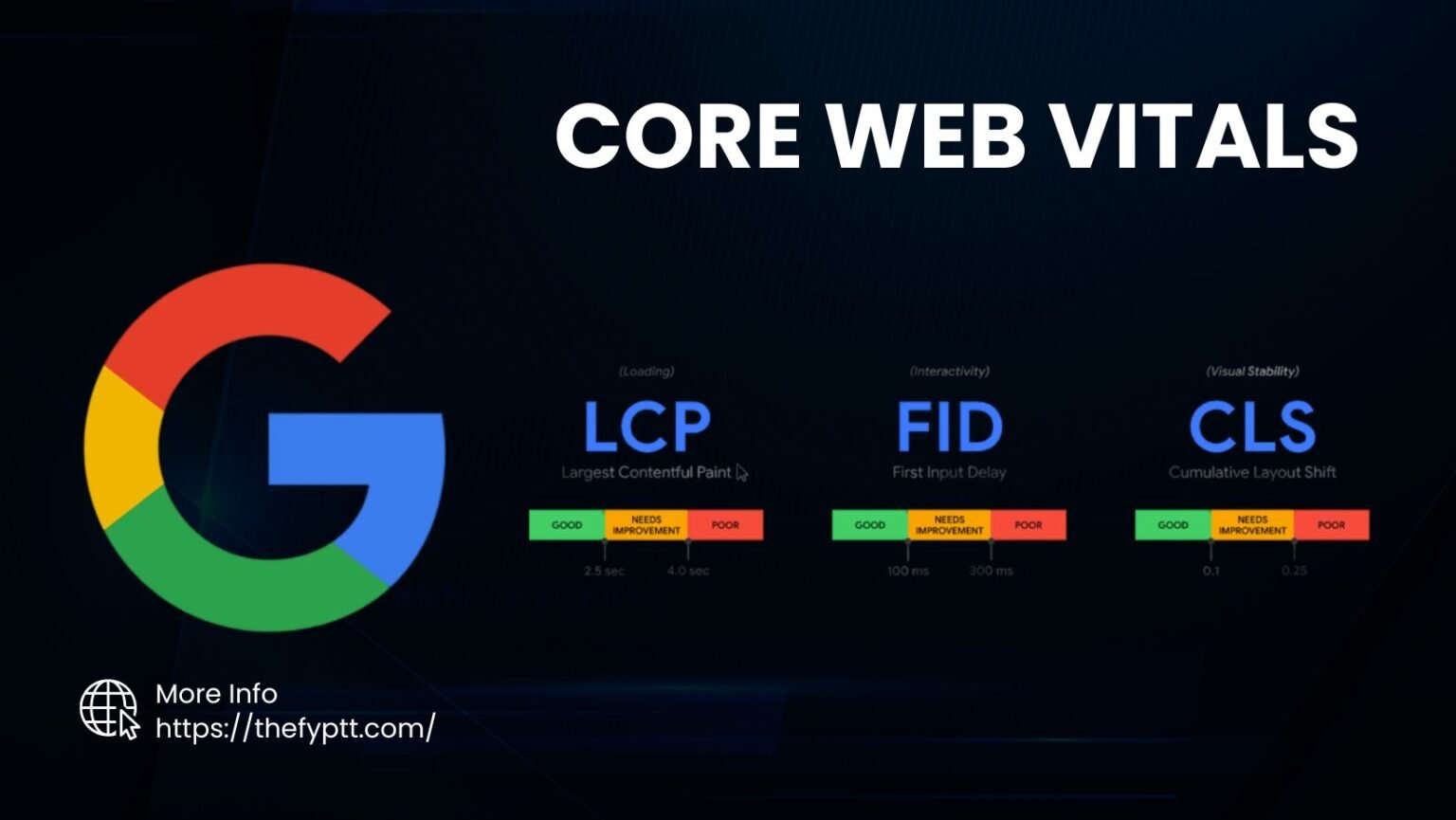
Core Web Vitals are a set of metrics that Google uses to measure the user experience of a webpage. These metrics help Google determine how fast, responsive, and stable your page is for users. The three main components are:
- Largest Contentful Paint (LCP)
- First Input Delay (FID)
- Cumulative Layout Shift (CLS)
1. Largest Contentful Paint (LCP)
LCP measures how quickly the largest element (like an image or video) on a webpage loads. Google considers an LCP score of 2.5 seconds or less as good. A slow LCP means a user has to wait longer for your page’s content to fully load, which can frustrate visitors and lead to a higher bounce rate.
2. First Input Delay (FID)
FID measures the time it takes for your webpage to respond when a user interacts with it, such as clicking a button or a link. A good FID score is less than 100 milliseconds. Delays in responsiveness can make your website feel sluggish and unresponsive, leading to poor user engagement.
3. Cumulative Layout Shift (CLS)
CLS tracks the unexpected movement of elements on a webpage during loading. For example, if a button shifts position when an image loads, it can frustrate users. Google recommends keeping CLS under 0.1 to avoid a jarring experience for visitors.
Why Core Web Vitals Are So Crucial for SEO in 2026
Google’s Shift to User-Centric Rankings
For years, Google’s ranking algorithm primarily focused on content relevance, keywords, and backlinks. However, in 2021, Google made a significant shift by incorporating Core Web Vitals into its ranking factors. The idea is simple: sites that provide a better user experience are more likely to rank higher.
In 2026, the focus on user experience is even stronger. Core Web Vitals directly influence how Google assesses the overall usability of your site. If your website has poor Core Web Vitals, you risk losing valuable organic traffic.
The Growing Importance of Web Performance
In 2026, website users are more demanding than ever. With the rise of mobile browsing, people expect websites to load quickly and be highly interactive. Slow-loading pages, clunky interactions, and unexpected shifts in layout can drive visitors away and lead to higher bounce rates. Google recognizes this shift in user expectations and ranks sites accordingly.
Core Web Vitals and SEO Rankings: A Direct Connection
When it comes to SEO, Core Web Vitals play a critical role in how your site is perceived by both users and search engines. Here’s how they directly impact rankings:
- Better Core Web Vitals = Better User Engagement
Sites that load faster and provide smooth user interactions are more likely to keep users engaged. Longer visits and lower bounce rates signal to Google that your content is valuable, which can boost your rankings. - Impact on Mobile Rankings
Mobile-first indexing means Google prioritizes the mobile version of your site for ranking purposes. Poor Core Web Vitals on mobile can hurt your site’s ranking, especially when mobile users expect fast load times and smooth interactions. - Improved UX = Improved Conversion Rates
A website that offers a seamless experience will likely have higher conversion rates. For e-commerce sites, this translates into more sales, while for content sites, it can mean higher newsletter sign-ups or more ad clicks.
How Poor Core Web Vitals Can Hurt Your SEO
Ignoring Core Web Vitals can have serious consequences. Here’s how:
Higher Bounce Rates
Slow-loading pages or poor interactions can frustrate users, causing them to leave your site before they engage with your content. A high bounce rate signals to Google that your page isn’t providing a valuable experience, which can hurt your SEO rankings.
Reduced User Engagement
If users struggle to interact with your site whether it’s because of delayed responses or layout shifts they’re less likely to stay, engage, or convert. This can hurt both user experience and SEO.
Negative Mobile Performance
With mobile-first indexing, mobile performance is more important than ever. Poor Core Web Vitals on mobile can drive users away, leading to decreased rankings and visibility in mobile search results.
How to Measure and Track Core Web Vitals
Monitoring your Core Web Vitals is crucial for maintaining high website performance. Here are some of the best tools to measure and track these metrics:
- Google PageSpeed Insights
- Lighthouse
- Chrome User Experience Report
- Web Vitals Chrome Extension
These tools can help you assess your site’s LCP, FID, and CLS scores. Regular monitoring ensures that your site stays optimized as web performance standards evolve.
How to Improve Core Web Vitals: Actionable Tips
Improving Core Web Vitals is not a one-time task it’s an ongoing process. Here are some actionable steps to enhance your site’s performance:
1. Optimize Largest Contentful Paint (LCP)
- Compress and optimize images and videos.
- Implement lazy loading for non-essential images.
- Use server-side rendering or a content delivery network (CDN) to speed up load times.
2. Reduce First Input Delay (FID)
- Minimize JavaScript execution.
- Prioritize the most important content for quicker interaction.
- Eliminate render-blocking resources like large scripts.
3. Minimize Cumulative Layout Shift (CLS)
- Set size attributes for images and videos to prevent shifting.
- Avoid sudden content shifts by using stable layouts.
- Use proper font loading strategies to prevent layout changes.
4. General Performance Improvements
- Optimize CSS and JavaScript delivery.
- Improve server response times.
- Reduce the number of third-party scripts that slow down the page.
The Future of Core Web Vitals and SEO
As we move further into 2026, Core Web Vitals will continue to be an essential factor in SEO. With new Google updates expected, it’s crucial for website owners to stay ahead of the curve by regularly monitoring performance and optimizing for Core Web Vitals. The web is evolving, and Google’s commitment to improving user experience means that performance will continue to play a key role in your SEO strategy.
Frequently Asked Questions (FAQs)
1. What are Core Web Vitals?
Core Web Vitals are a set of metrics used by Google to measure the user experience of a webpage. These include Largest Contentful Paint (LCP), First Input Delay (FID), and Cumulative Layout Shift (CLS).
2. How do Core Web Vitals impact SEO?
Core Web Vitals directly affect SEO because Google uses them to assess the user experience of your site. Sites with poor Core Web Vitals tend to rank lower in search results.
3. What is a good LCP score?
A good LCP score is 2.5 seconds or less. If your LCP exceeds this time, users may experience delays, which can negatively affect their experience and your SEO rankings.
4. How can I improve my site’s Core Web Vitals?
You can improve your site’s Core Web Vitals by optimizing images, reducing JavaScript execution time, and using stable layouts to prevent unexpected shifts.
5. Why is mobile optimization important for Core Web Vitals?
Mobile-first indexing means Google prioritizes the mobile version of your site in rankings. Poor Core Web Vitals on mobile can result in a significant drop in rankings.
Conclusion
In 2026, Core Web Vitals are more critical than ever. These metrics are directly tied to user experience and SEO rankings, and Google’s algorithm updates only reinforce their importance. By measuring and optimizing your site’s LCP, FID, and CLS, you can significantly improve your SEO performance, user engagement, and overall website success. Don’t wait for poor performance to hurt your rankings start optimizing today to stay ahead of the competition.