


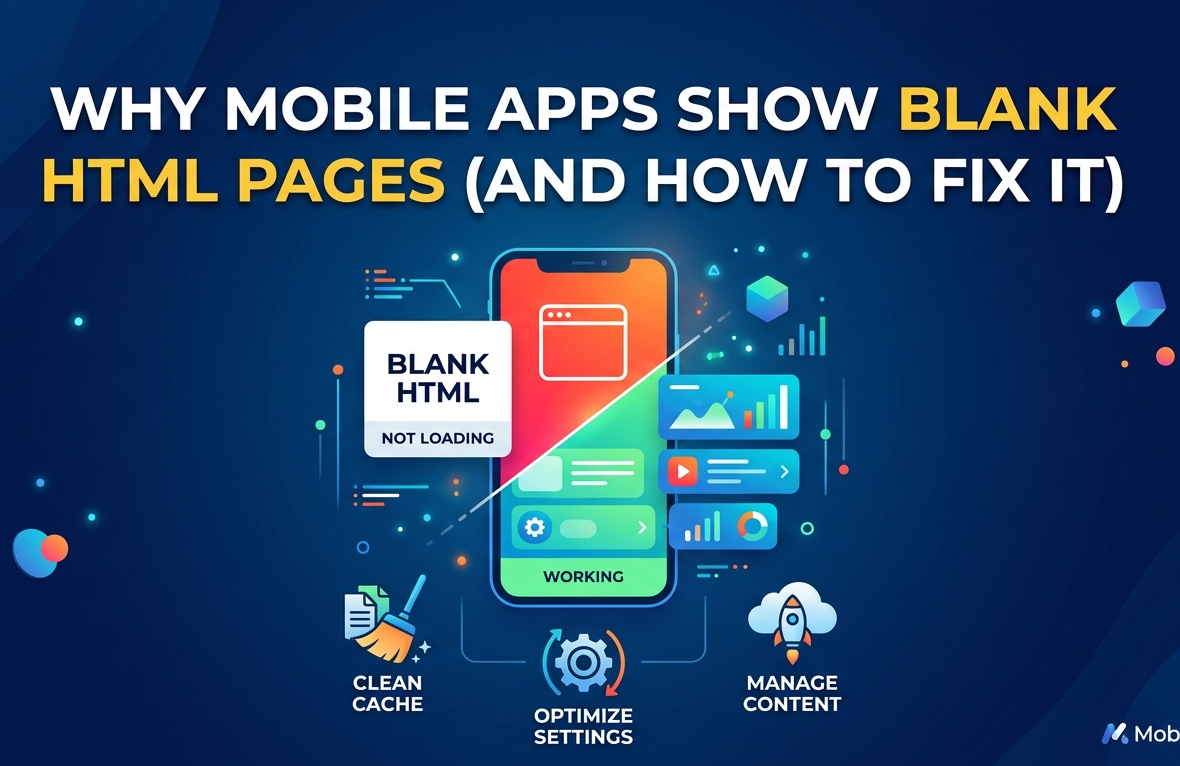

As a mobile app developer, you might have faced a frustrating situation your app launches, but instead of the expected vibrant content, you’re staring at a blank HTML page. This issue can be perplexing, especially when everything seems to be in place on the surface. But what’s the root cause? Why does this happen, and more importantly, how can you fix it?
- What Are Content CZ Mobilesoft Appblock FileProvider Cache Blank html?
- 1. Content CZ: An Overview
- 2. MobileSoft and Its Role in Mobile Development
- 3. AppBlock: A Technology for Blocking Caching Issues
- 4. FileProvider: Data Access and Cache Handling
- What Causes Blank HTML Pages in Mobile Apps?
- 1. Poor Cache Management
- 2. Outdated or Corrupted Cache Files
- 3. Data Blockages in AppBlock
- 4. Conflicting Cache Settings Between Content CZ and FileProvider
- How to Fix Blank HTML in Your Mobile App
- Step 1: Clear and Optimize FileProvider Cache
- Step 2: Configure MobileSoft Cache Settings Properly
- Step 3: Monitor and Troubleshoot Content CZ Caching
- Step 4: Ensure AppBlock Isn’t Blocking Resources
- Proactive Steps to Prevent Future Blank HTML Issues
- 1. Implement Best Practices for Cache Management
- 2. Use Automated Monitoring Tools
- 3. Reduce Latency and Optimize Content Delivery
- Conclusion: Fixing Content CZ Mobilesoft Appblock FileProvider Cache Blank html Management
In this post, I’ll dive deep into the components causing this issue Content CZ Mobilesoft Appblock FileProvider Cache Blank html and explore how their cache management might be responsible for triggering blank HTML in your mobile apps. By the end of this article, you’ll not only understand why this issue occurs but also walk away with actionable insights to resolve it effectively. Whether you’re a newbie or an experienced developer, this guide will provide practical tips to ensure your app loads smoothly every time. So, let’s get started!
What Are Content CZ Mobilesoft Appblock FileProvider Cache Blank html?
To truly understand why blank HTML pages appear in your mobile apps, it’s crucial to grasp the role of the components involved. Let’s break them down:

| URI Component | Function |
| content:// | Android data provider protocol identifier |
| cz.mobilesoft.appblock.fileprovider | MobileSoft application package reference |
| /cache/blank.html | Temporary placeholder document location |
1. Content CZ: An Overview
When you’re building a mobile app, content delivery becomes essential. Content CZ is a system designed to manage how content is loaded, delivered, and displayed within your app. It plays a significant role in ensuring that your app runs efficiently and displays content correctly. However, when caching issues arise within Content CZ, it can lead to scenarios where users are left with an empty or blank screen, unable to access the content they were expecting.
As a developer, it’s crucial to make sure Content CZ is properly optimized, because inefficient cache handling can result in delays, errors, or in the worst case, blank HTML. With Content CZ, all content should be handled in an optimized manner, ensuring a smooth experience for users. But when it doesn’t work as expected, the app fails to load the content properly, which triggers the dreaded blank HTML problem.
2. MobileSoft and Its Role in Mobile Development
Moving on, let’s discuss MobileSoft a tool that is integral to mobile app development. It plays a vital role in managing various aspects of your app’s performance, including cache management. If MobileSoft’s cache is not set up correctly, your app may try to load stale or corrupted content, which can cause blank pages to appear.
For instance, when MobileSoft stores data inefficiently or fails to update cache content regularly, it can create discrepancies in the app’s content display. This might lead to broken or blank pages where HTML should be rendered. The solution? Regular updates to your MobileSoft cache configuration to ensure that your app is always working with fresh, relevant data. If MobileSoft cache isn’t properly managed, your app could suffer from slow performance, poor content delivery, or even failures in rendering, leading to a blank HTML screen.
3. AppBlock: A Technology for Blocking Caching Issues
AppBlock is another tool designed to handle resource and data management within mobile apps. AppBlock works by organizing content in a way that reduces app latency and ensures that your app runs smoothly. However, just like the other components, AppBlock has the potential to cause issues if it mishandles cache or blocks essential resources.
When AppBlock inadvertently blocks important data or fails to process resources correctly, parts of your app may not load, resulting in the dreaded blank HTML. For example, AppBlock might prevent certain scripts, images, or data from loading causing the HTML page to appear empty. It’s important to ensure that your AppBlock configurations are optimized, preventing unnecessary blocks that could impact the app’s ability to display its content.
4. FileProvider: Data Access and Cache Handling
Finally, FileProvider is a component that handles secure file access in Android apps. It’s essential for managing how files are accessed across the app and ensuring that data is available where and when it’s needed. But just like the other components, FileProvider can create issues when its cache is not handled properly. If FileProvider is serving outdated or incomplete data from its cache, it can trigger blank HTML pages in your app.
The main problem with FileProvider cache lies in the fact that if you don’t clear or optimize it periodically, your app may use outdated or stale content. This can disrupt how the app renders content, resulting in blank screens instead of the vibrant app interface users expect.
What Causes Blank HTML Pages in Mobile Apps?
Now that we’ve covered the key components, let’s explore the most common reasons why blank HTML pages appear in mobile apps. Here are the top culprits:
1. Poor Cache Management
When we talk about cache management, we’re referring to the process of storing frequently used data for quick access. Efficient cache management can drastically improve the performance of your app. But when cache management goes wrong, the consequences can be disastrous.
If your app is relying too heavily on outdated or improperly managed cache data, the content may fail to load as expected. This can cause blank HTML screens to appear in your app. Whether it’s due to Content CZ Mobilesoft Appblock FileProvider Cache Blank html, poor cache management is often at the heart of the problem.
2. Outdated or Corrupted Cache Files
Cache files serve as temporary storage for data that’s frequently used. However, if these files become corrupted or are not regularly updated, the app can pull in faulty content or even fail to render the HTML at all, resulting in blank pages.
For example, if Content CZ fails to clear old cache data and keeps serving outdated files, it can result in incomplete content rendering, which often results in blank HTML. This issue often goes unnoticed because it’s hidden deep in the cache system.
3. Data Blockages in AppBlock
Sometimes, the issue lies with AppBlock. If AppBlock mistakenly blocks essential resources or data, parts of the app might not load properly. This could include everything from images to JavaScript files, all of which are crucial for proper HTML rendering. When this happens, your app will simply fail to display the content, resulting in blank HTML pages.
4. Conflicting Cache Settings Between Content CZ and FileProvider
One of the biggest challenges in mobile app development is managing the interplay between different systems that handle caching. Content CZ Mobilesoft Appblock FileProvider Cache Blank html all manage caches differently. If these systems aren’t properly synchronized or their cache settings conflict, you could end up with a situation where the app is trying to load incompatible content from different sources, causing a blank HTML page to appear.
For example, if Content CZ caches data that’s out of sync with what FileProvider is storing locally, the app might not display the correct information, leading to a blank screen.
How to Fix Blank HTML in Your Mobile App
Step 1: Clear and Optimize FileProvider Cache
The first step in fixing blank HTML issues is to ensure that FileProvider‘s cache is properly managed. It’s common for FileProvider’s cache to become bloated or corrupted over time, which can prevent content from being rendered correctly. Regularly clearing this cache and optimizing it for better performance is essential.
Here’s how you can fix this issue:
- Go to your app’s settings and locate the FileProvider cache section.
- Clear the cache to remove outdated or corrupted data.
- Set up automatic cache expiration to ensure that old files are regularly cleared.
By doing this, you’ll ensure that your app is always working with fresh, relevant data.
Step 2: Configure MobileSoft Cache Settings Properly
MobileSoft plays a critical role in managing the app’s cache and content delivery. If MobileSoft’s cache settings are misconfigured, it can lead to blank HTML issues. Here’s what you can do:
- Review the cache configuration within MobileSoft.
- Regularly update the cache to ensure fresh content is delivered.
- Make sure that MobileSoft isn’t holding onto outdated or irrelevant content that could cause rendering problems.
Step 3: Monitor and Troubleshoot Content CZ Caching
Since Content CZ handles much of the app’s content delivery, it’s essential to ensure that caching within this system is working efficiently. If Content CZ is overloaded with outdated data, it can prevent content from being properly displayed, leading to blank HTML screens.
How to Fix:
- Test how Content CZ handles content loading and caching.
- Implement lazy loading or progressive content delivery to avoid overwhelming the cache.
- Use data compression techniques to reduce the size of cached files, making loading faster.
Step 4: Ensure AppBlock Isn’t Blocking Resources
If AppBlock is mistakenly blocking essential resources, you’ll need to adjust its settings. Make sure that only non-critical resources are being blocked, while critical data and scripts are allowed to load properly.
Here’s what you can do:
- Check AppBlock settings for any unnecessary resource blocking.
- Ensure that all critical scripts, images, and content are not being filtered out.
Proactive Steps to Prevent Future Blank HTML Issues
Once you’ve resolved the immediate issue, it’s important to implement long-term solutions to prevent blank HTML from reappearing in your app.
1. Implement Best Practices for Cache Management
One of the most important long-term solutions is to adopt a comprehensive cache management strategy that works across all systems (Content CZ Mobilesoft Appblock FileProvider Cache Blank html). Regular audits and updates are necessary to keep the cache clean and optimized.
2. Use Automated Monitoring Tools
Set up automated systems that monitor your app’s cache performance and alert you when issues arise. This proactive approach can help you identify and fix problems before they impact users.
3. Reduce Latency and Optimize Content Delivery
Make sure that content delivery is fast and efficient. By reducing latency and optimizing how your app fetches and displays content, you can ensure a smoother experience for your users.
Conclusion: Fixing Content CZ Mobilesoft Appblock FileProvider Cache Blank html Management
To wrap up, blank HTML in mobile apps is a common issue caused by inefficient cache management in Content CZ Mobilesoft Appblock FileProvider Cache Blank html. By understanding the role each of these components plays in caching and implementing proper management techniques, you can avoid this frustrating problem.
Remember, clearing caches, configuring settings correctly, and using proactive monitoring can ensure that your mobile app functions smoothly, every time. So, don’t let cache issues slow you down take control and keep your apps running at their best!
FAQ:
What causes blank HTML in mobile apps?
Poor cache management, outdated or corrupted cache files, and conflicts between different caching systems are common causes of blank HTML in mobile apps.
How can I clear FileProvider cache in my mobile app?
You can clear the FileProvider cache through your app’s settings by locating the cache section and removing outdated or corrupted files.
Why does AppBlock cause blank HTML pages?
AppBlock can block essential resources or data, preventing parts of the app from loading and causing blank HTML screens.
What are some long-term solutions to prevent blank HTML issues?
Regularly auditing your cache, using automated monitoring tools, and optimizing content delivery are effective long-term solutions.